
Key Elements to Consider When Choosing Overshoes Making the Right Choice with Tmatıc
Fundamental Factors Influencing Overshoe Selection
To make an informed decision when selecting overshoes, several fundamental factors must be taken into account:
- Intended Use and Environment: The specific environment where the overshoes will be used and the purpose they will serve are the most critical determinants. The requirements for overshoes in a hospital's operating theater will differ significantly from those needed on a construction site. For instance, hygiene might be the primary concern in healthcare, while durability and slip resistance are more crucial in construction. Tmatıc's automatic dispensers are typically utilized in hygiene-conscious environments, making it essential to choose overshoes compatible with both the dispenser and the specific needs of that environment.
- Material Type: Overshoes are manufactured from a variety of materials, each offering distinct advantages and disadvantages depending on the application. Common materials include polyethylene (PE), chlorinated polyethylene (CPE), polypropylene (PP), rubber, PVC, and various fabrics. PE and CPE overshoes are often single-use and cost-effective, while rubber and PVC options tend to be more durable and reusable. Tmatıc dispensers are generally designed to work seamlessly with single-use overshoes made of PE and CPE.
- Durability and Thickness: The level of wear and tear the overshoes will be subjected to should dictate the required durability and thickness. For demanding environments like construction or industrial settings, thicker, more tear-resistant materials are preferable. Lighter, thinner overshoes may suffice for more delicate environments such as laboratories. It's important to ensure that overshoes used with Tmatıc systems have an appropriate thickness to facilitate smooth operation of the dispensing mechanism.
- Slip Resistance: In environments where wet or slippery floors are a concern, slip-resistant overshoes are paramount for preventing accidents. These overshoes feature специально designed soles to enhance traction and reduce the risk of falls, making them essential in healthcare, food processing facilities, and cleaning services. Utilizing slip-resistant overshoes with Tmatıc automatic dispensing systems can enhance both hygiene and safety standards.
- Fluid and Chemical Resistance: If there's a potential for contact with liquids or chemicals in the work environment, overshoes with fluid-proof or chemical-resistant properties should be selected. This is crucial in laboratories, healthcare facilities, and certain industrial applications. The material and seamless designs can enhance fluid and chemical resistance. It's vital that overshoes used with Tmatıc systems offer the necessary level of resistance for the intended environment.
- Size and Fit: A proper fit is essential for overshoes to function effectively and comfortably. Overshoes that are too large or too small can impede movement, increase the risk of slipping, or tear easily. Overshoes are available in various sizes to accommodate different shoe sizes. Tmatıc automatic dispensers are designed to dispense overshoes suitable for a range of shoe sizes.
- Disposable vs. Reusable: The frequency of use and hygiene requirements will determine whether disposable or reusable overshoes are more appropriate. Disposable overshoes are ideal for environments where hygiene is a top priority and the risk of cross-contamination needs to be minimized. Reusable overshoes offer a more durable and potentially cost-effective solution for frequent use, but they require proper cleaning and disinfection after each use. Tmatıc automatic dispensers are typically used with disposable overshoes to maximize hygiene standards.
- Antistatic Properties (ESD): In environments where static electricity can damage sensitive equipment, such as electronics manufacturing plants or laboratories, antistatic (Electrostatic Discharge) overshoes are necessary. These overshoes safely dissipate static electricity, protecting valuable equipment. Tmatıc systems can be used with ESD-compliant overshoes for such specialized environments.
- Cost: While cost is a consideration in any purchasing decision, it's crucial to balance it with the required performance and safety features. Single-use overshoes may have a lower per-unit cost, but reusable options might be more economical in the long run for frequent use. However, the costs associated with cleaning and disinfecting reusable overshoes should also be factored in. Tmatıc automatic dispensers can offer cost advantages through bulk purchasing of compatible disposable overshoes and reduced labor costs associated with manual distribution.
- Compatibility with Automatic Dispensers (Tmatıc Focus): If the overshoes are intended for use with Tmatıc automatic dispensing systems, ensuring compatibility with the machine's mechanism is paramount. Tmatıc often recommends specific types and sizes of overshoes that are optimized for their systems to ensure smooth operation and reliable dispensing. Checking this compatibility is crucial for the efficient functioning of the Tmatıc dispenser.
Streamlining Overshoe Selection with Tmatıc
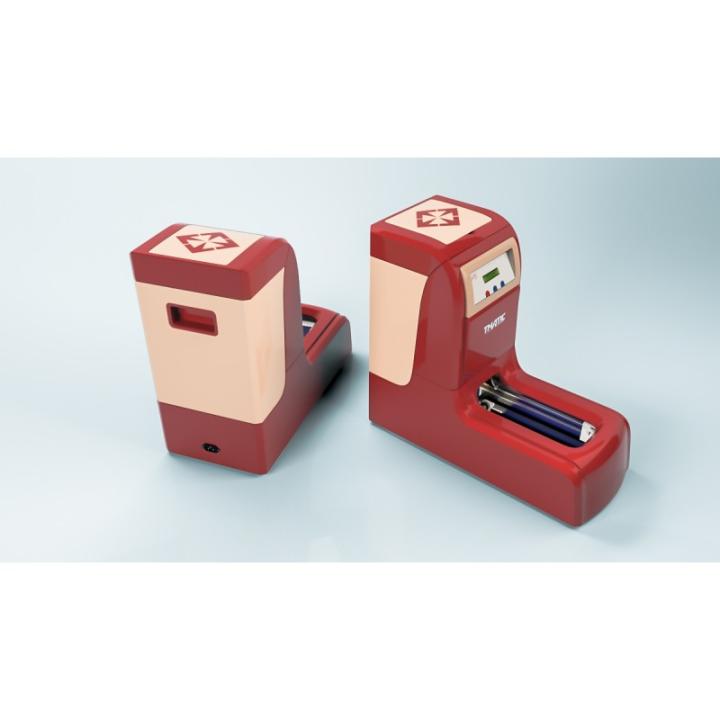
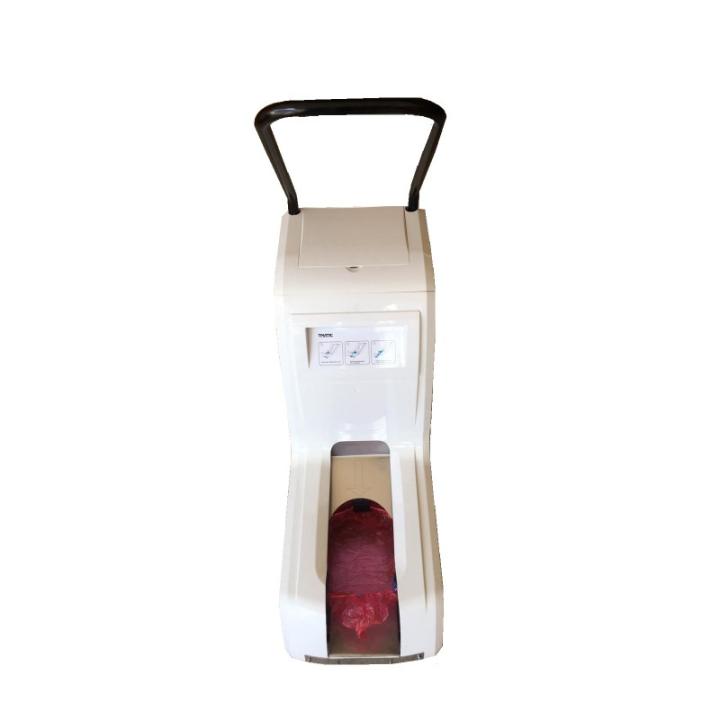
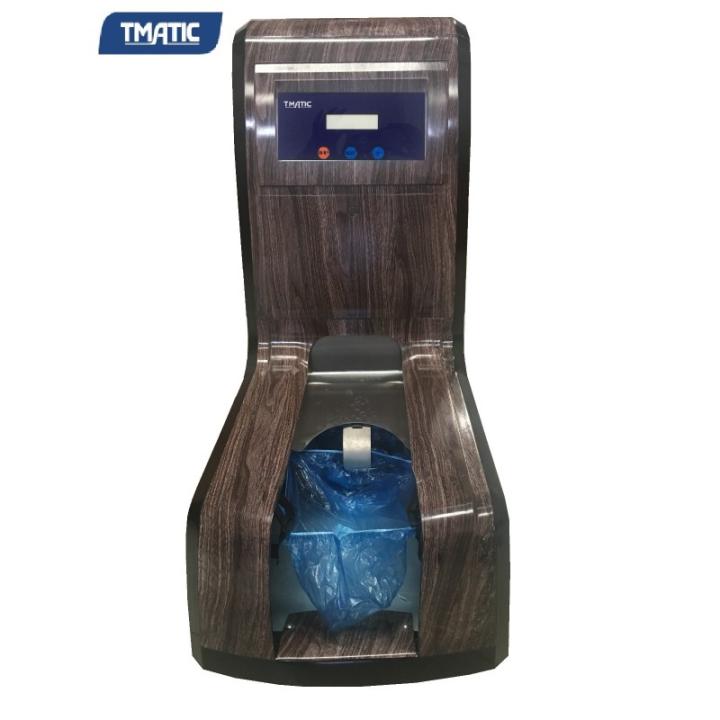
Tmatıc's automatic overshoe dispensing systems not only simplify the process of wearing overshoes but also guide users towards selecting the appropriate type for their needs. Tmatıc systems are generally designed to perform optimally with specific types and sizes of single-use overshoes. This ensures that users can focus on hygiene and convenience without worrying about machine compatibility. Tmatıc often provides recommendations for overshoe types that are well-suited for various environments, helping users meet their specific requirements effectively.
Frequently Asked Questions (FAQ)
Q1: What is the most important factor to consider when choosing overshoes? A: The most important factor is the intended use and the environment where the overshoes will be worn. All other considerations should be based on these primary needs.
Q2: Should I choose disposable or reusable overshoes? A: Disposable overshoes are ideal for environments where hygiene is paramount and the risk of cross-contamination needs to be minimized. Reusable overshoes can be more durable and cost-effective for frequent use, provided they are properly cleaned and disinfected after each use. Tmatıc systems typically work with disposable overshoes.
Q3: What features should I look for in overshoes for slippery floors? A: For slippery floors, choose overshoes with slip-resistant soles. These are специально designed to provide enhanced traction and prevent falls.
Q4: If I use an automatic overshoe dispenser, like Tmatıc, what should I consider when selecting overshoes? A: If using an automatic dispenser, ensure that the overshoes are compatible with the machine's mechanism. Tmatıc recommends specific types and sizes of overshoes for optimal performance with their systems.
Q5: When are antistatic (ESD) overshoes necessary? A: Antistatic overshoes are necessary in environments where static electricity can damage sensitive equipment, such as electronics manufacturing facilities or laboratories.
Q6: Why is the material of the overshoe important? A: The material affects various properties of the overshoe, including durability, fluid and chemical resistance, breathability, and cost. The material should be chosen based on the requirements of the intended environment.
Q7: How should overshoes fit? A: Overshoes should fit comfortably over the wearer's shoes without being too tight or too loose. A proper fit ensures safety and effectiveness.
Q8: Is cost a significant factor when choosing overshoes? A: Cost is a consideration, but it should be balanced with the necessary safety and hygiene features. Prioritize quality and functionality based on your needs.
Q9: Does Tmatıc offer guidance on selecting compatible overshoes? A: Yes, Tmatıc typically provides recommendations and specifications for overshoes that are compatible with their automatic dispensing systems to ensure optimal performance.
Q10: What are the long-term benefits of choosing the right overshoes? A: Choosing the right overshoes ensures adherence to hygiene and safety standards, enhances workplace efficiency, protects flooring and equipment, and can lead to long-term cost savings by preventing accidents and contamination