
Different Types and Features of Overshoes for Various Needs A Comprehensive Guide Featuring Tmatıc
Key Factors Influencing Overshoe Types and Features
The selection of the appropriate overshoe hinges on a confluence of factors directly related to its intended use. These key considerations dictate the materials, construction, and specialized features of the overshoe:
- Target Environment: The setting in which the overshoe will be used – be it a hospital operating theater, a construction site, a sensitive laboratory, or a residential home – dictates the level of protection and hygiene required.
- Protection Objectives: What is the primary goal of wearing the overshoe? Is it to safeguard the environment from contaminants carried on footwear, to shield the wearer's shoes from external elements like water and dirt, or a combination of both?
- Durability Expectations: The anticipated lifespan and the conditions under which the overshoe will be used influence the choice between disposable and reusable options, as well as the robustness of the materials.
- Traction Requirements: Is slip resistance a critical safety concern? Certain overshoes are специально designed with enhanced grip to prevent accidents on slippery surfaces.
- Chemical Resistance Needs: Specific industrial applications may necessitate overshoes capable of withstanding exposure to various chemicals and solvents.
- Comfort and Fit Considerations: While protection is paramount, especially for prolonged use, comfort and a secure fit are essential for user compliance and efficiency.
- Cost-Effectiveness: The balance between upfront cost and long-term value often guides the selection between disposable and reusable options.
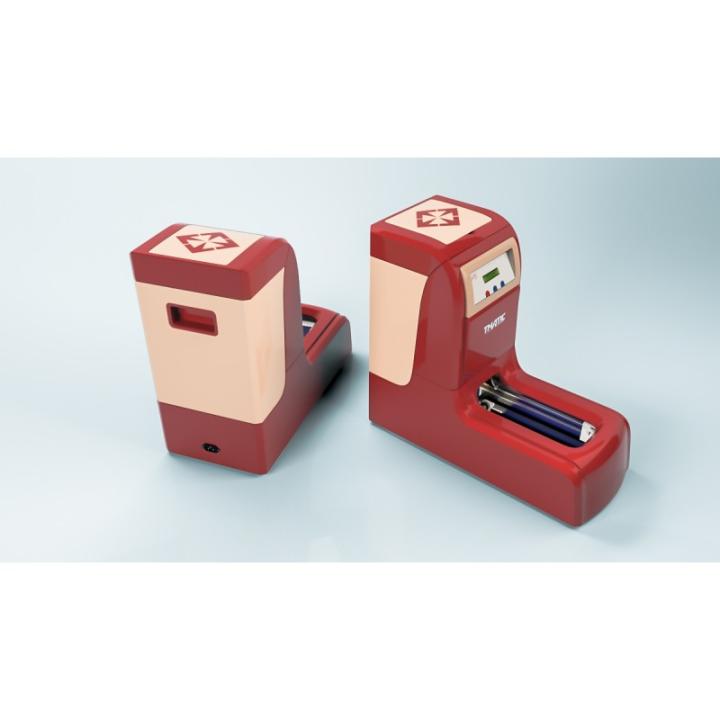
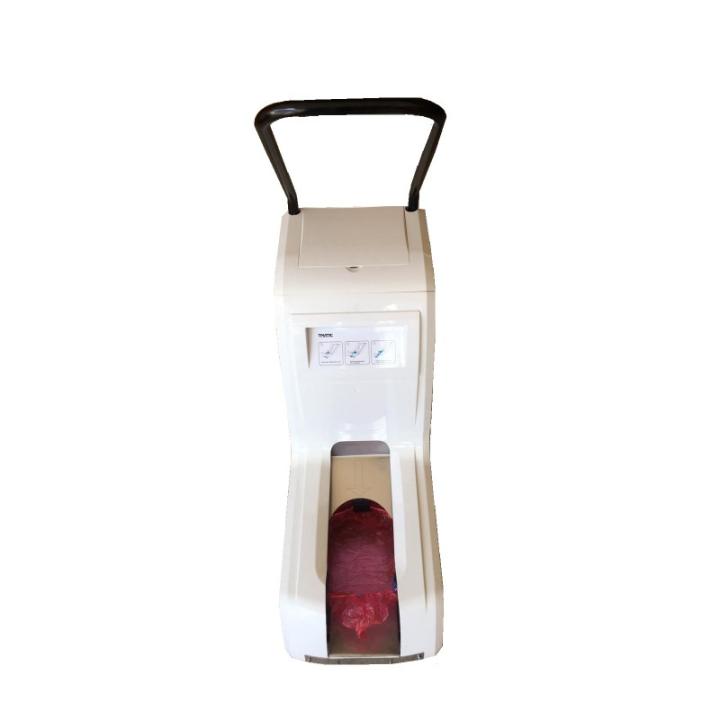
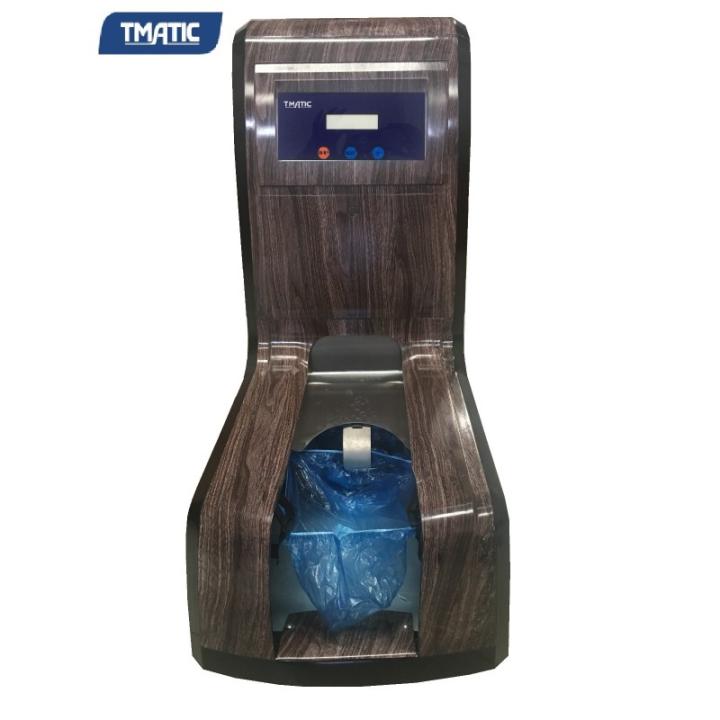
- Compatibility with Dispensing Systems: For organizations utilizing automatic overshoe dispensers like those offered by Tmatıc, the chosen overshoe type must be seamlessly compatible with the dispenser's mechanism.
Exploring the Diverse Types of Overshoes and Their Features
Addressing the varied needs outlined above, the market offers a wide array of overshoe types, each with distinct materials and features:
Disposable Polyethylene (PE) Overshoes:
- Material Composition: Crafted from lightweight and cost-effective polyethylene plastic.
- Key Features: Primarily intended to prevent the transfer of dust, dirt, and particulate matter from footwear to clean environments. Offers a basic level of liquid resistance. Designed for single-use. Highly compatible with many automatic dispensing systems, including several Tmatıc models.
- Typical Applications: Commonly used in hospitals (non-sterile areas), laboratories, food processing facilities, showrooms, and residential settings.
Disposable Chlorinated Polyethylene (CPE) Overshoes:
- Material Composition: Similar to PE but undergoes chlorination to enhance durability and resistance to certain chemicals.
- Key Features: More robust than standard PE, providing improved tear resistance and protection against mild chemical exposure. Designed for single-use. Compatibility with Tmatıc dispensers may vary by model.
- Typical Applications: Frequently employed in healthcare settings, light industrial environments, and areas with potential contact with non-aggressive chemicals.
Non-Woven Polypropylene (PP) Overshoes:
- Material Composition: Constructed from spunbond polypropylene fabric.
- Key Features: Lightweight and breathable, primarily used for containing dust and airborne particles. Offers minimal resistance to liquids. Designed for single-use. Often the preferred choice for use with automatic dispensers like Tmatıc in clean environments.
- Typical Applications: Widely used in lower-grade cleanrooms, electronics manufacturing, non-sterile areas of pharmaceutical industries, and as visitor wear in controlled zones.
Reusable Rubber or PVC Overshoes:
- Material Composition: Manufactured from durable rubber or polyvinyl chloride.
- Key Features: Waterproof and offer excellent protection against dirt, mud, and some chemicals. Designed for multiple uses. Often feature textured soles to enhance traction. May not be compatible with all automatic dispensing systems.
- Typical Applications: Commonly found on construction sites, in agricultural settings, for outdoor work, by janitorial services, and for home use in wet or muddy conditions.
Reusable Fabric Overshoes (with or without waterproof lining):
- Material Composition: Made from various fabrics such as canvas or nylon, sometimes incorporating a waterproof inner layer.
- Key Features: Primarily intended for indoor use to protect flooring from scratches and dirt. Some offer limited water resistance. Designed for multiple uses and are typically washable. Not generally used with automatic dispensers.
- Typical Applications: Commonly used in homes, schools, gyms, and other indoor areas where floor protection is the primary concern.
Anti-Static (ESD) Overshoes:
- Material Composition: Often incorporate conductive materials woven into the fabric or the sole.
- Key Features: Specifically designed to dissipate static electricity, a critical requirement in environments where static discharge can damage sensitive electronic components. Available in both disposable and reusable options. Specific models may be compatible with Tmatıc dispensers used in ESD-controlled zones.
- Typical Applications: Essential in electronics manufacturing, semiconductor industries, and cleanrooms handling electronic components.
Waterproof and Chemical-Resistant Overshoes (Specialized Materials):
- Material Composition: Constructed from specialized polymers such as neoprene or polyurethane.
- Key Features: Offer a high level of protection against water, various chemicals, and other hazardous substances. Often durable and reusable. May include additional safety features like steel toes or enhanced slip resistance. Not typically used with standard automatic dispensers.
- Typical Applications: Frequently used in chemical processing plants, laboratories handling hazardous materials, and industrial cleaning operations.
Overshoes with Enhanced Grip (Anti-Slip):
- Material Composition: Can be made from various materials but feature специально designed textured soles or added traction elements.
- Key Features: Primarily focused on preventing slips and falls on wet, icy, or oily surfaces. Available in both disposable and reusable formats. Some disposable versions may be compatible with Tmatıc dispensing systems.
- Typical Applications: Commonly used in healthcare settings (wet areas), food service industries, construction sites, and during winter conditions.
Tmatıc and Overshoe Compatibility: Streamlining Dispensing
Tmatıc, as a leading innovator in automatic overshoe dispensing technology, designs its systems with compatibility and efficiency in mind. Their automatic dispensers are typically engineered to work seamlessly with specific types of disposable overshoes, primarily those made from PE or CPE. These overshoes are designed to be easily loaded into the Tmatıc machines and dispensed reliably with each use, contributing to streamlined workflow and consistent hygiene protocols. Tmatıc often provides recommendations or specifications for compatible overshoes to ensure optimal performance of their dispensing systems. Users should always consult the Tmatıc product documentation to identify the recommended overshoe types and sizes for their specific dispenser model.
Frequently Asked Questions (FAQ)
Q1: What are the main types of overshoes available for different needs? A: The main types include disposable PE, CPE, and PP overshoes, reusable rubber or PVC overshoes, fabric overshoes, anti-static (ESD) overshoes, waterproof and chemical-resistant overshoes, and anti-slip overshoes.
Q2: What factors should I consider when choosing the right type of overshoe? A: Key factors include the intended environment, the type of protection needed, durability requirements, slip resistance, chemical resistance, comfort, cost, and compatibility with automatic dispensers (if applicable).
Q3: Which types of overshoes are typically compatible with Tmatıc automatic dispensers? A: Tmatıc automatic dispensers are generally compatible with disposable PE and CPE overshoes that are designed for automatic dispensing mechanisms. Always refer to the Tmatıc product manual for specific recommendations.
Q4: When are anti-static (ESD) overshoes necessary? A: Anti-static overshoes are necessary in environments where static electricity can damage sensitive electronic components, such as electronics manufacturing facilities and cleanrooms handling electronics.
Q5: What is the primary benefit of using anti-slip overshoes? A: The primary benefit of anti-slip overshoes is to enhance traction and prevent slips and falls on potentially hazardous surfaces like wet or oily floors.
Q6: What are the advantages of reusable overshoes compared to disposable ones? A: Reusable overshoes are generally more durable, can offer better protection against liquids and chemicals, and can be more cost-effective in the long run for applications requiring frequent use.
Q7: Which type of overshoe is best suited for cleanroom environments? A: Non-woven PP overshoes are commonly used in cleanrooms for their low-linting properties and effectiveness in containing particulate matter. For more stringent cleanroom environments, specialized ESD overshoes may be required.
Q8: What type of overshoes would be appropriate for home use to protect floors? A: Lightweight disposable PE overshoes or reusable fabric overshoes are suitable for home use to prevent tracking dirt and scuffs onto floors.
Q9: Why is it important to consider the fit of overshoes? A: A secure and comfortable fit ensures that the overshoes stay in place and function effectively, providing the intended protection and preventing tripping hazards.
Q10: Where can I find information on the specific types of overshoes recommended for use with Tmatıc dispensers? A: The Tmatıc product manual for your specific dispenser model will provide detailed information on compatible overshoe types and sizes. You can also contact Tmatıc customer support for recommendations.