
The Contribution of Overshoe Use to Hygiene Awareness A Tmatıc Perspective
The Direct Link Between Overshoe Use and Reduced Contamination
The primary function of overshoes is to act as a physical barrier between the soles of shoes and the surfaces they come into contact with. This seemingly straightforward action has significant implications for hygiene:
- Preventing the Tracking of Outdoor Contaminants: Shoes, by their very nature, come into contact with a wide array of outdoor elements, including soil, mud, animal waste, and various pollutants. These contaminants can easily be tracked indoors, soiling floors and potentially introducing harmful bacteria and viruses. Overshoes effectively contain these external pollutants at the point of entry.
- Minimizing Dust and Particulate Matter: Even seemingly clean shoes can carry significant amounts of dust and particulate matter. In sensitive environments like healthcare facilities or cleanrooms, these particles can compromise air quality and potentially interfere with delicate processes or the health of vulnerable individuals. Overshoes significantly reduce the introduction of such airborne contaminants.
- Reducing the Spread of Germs and Pathogens: Shoes can harbor a variety of bacteria, viruses, and fungal spores. By preventing these microorganisms from being tracked onto surfaces, overshoes play a crucial role in minimizing their spread, thereby reducing the risk of infections and illnesses, particularly in high-traffic areas.
- Maintaining the Integrity of Clean Environments: In specialized settings like laboratories and pharmaceutical production facilities, maintaining a sterile or highly clean environment is paramount. Overshoe use is an integral part of the stringent protocols designed to prevent contamination and ensure the integrity of research, manufacturing, and patient care.
How Overshoe Use Cultivates Hygiene Awareness
Beyond the direct impact on reducing contamination, the simple act of wearing overshoes contributes to a broader culture of hygiene awareness in several ways:
- Visual Reinforcement of Cleanliness Protocols: The visible act of donning overshoes serves as a constant reminder of the importance of maintaining a clean environment. This visual cue can influence the behavior of individuals, making them more conscious of hygiene practices in general.
- Promoting a Sense of Responsibility: When individuals are required or encouraged to wear overshoes, it fosters a sense of personal responsibility for maintaining the cleanliness of the space they are entering. This active participation in hygiene protocols can lead to a greater overall awareness of cleanliness.
- Educating Users About Contamination Risks: The implementation of overshoe policies, especially when accompanied by clear signage and explanations, can educate individuals about the potential risks associated with tracking contaminants and the importance of preventive measures.
- Setting a Standard for Cleanliness: In organizations that prioritize hygiene, the consistent use of overshoes sets a clear standard for cleanliness that permeates the entire environment. This can influence other hygiene practices and contribute to a more proactive approach to preventing contamination.
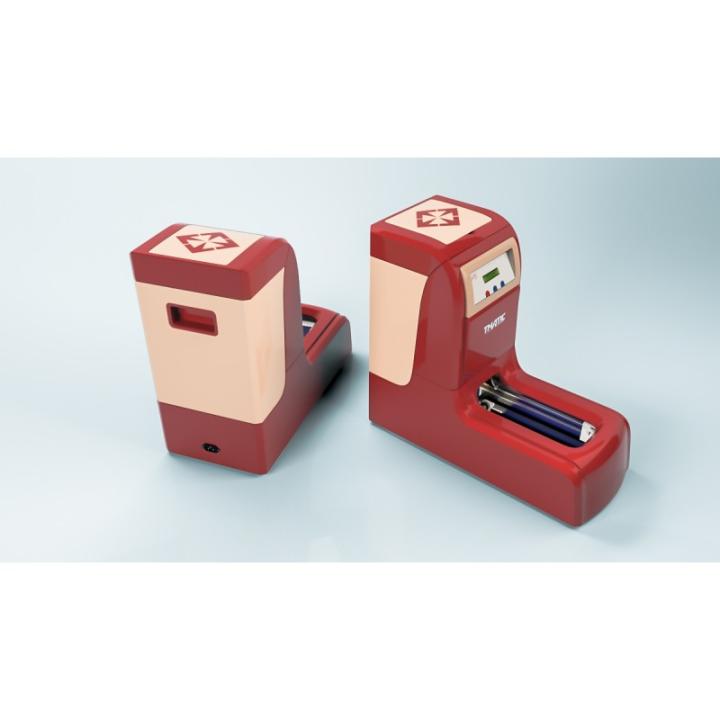
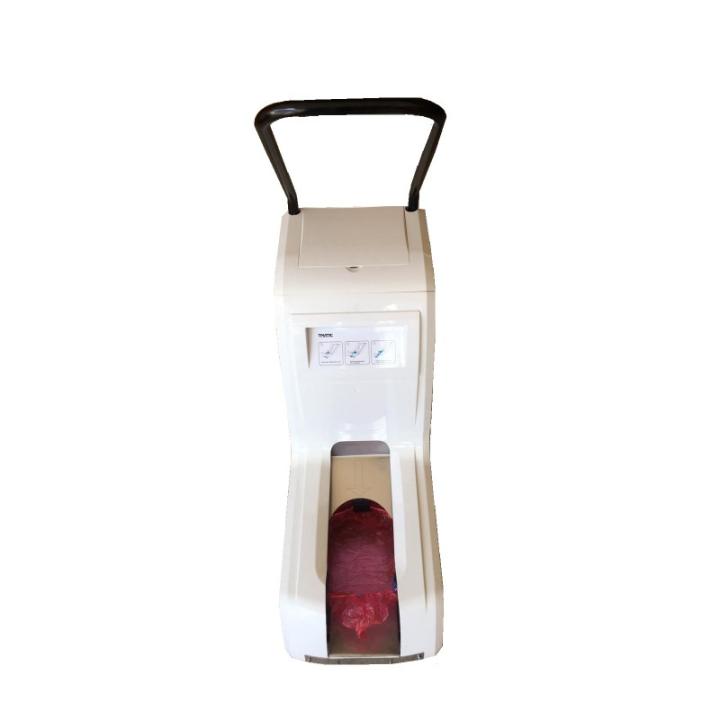
- Facilitated by User-Friendly Systems Like Tmatıc: Automatic overshoe dispensers from Tmatıc make the process of donning overshoes quick, easy, and hands-free. This convenience encourages greater compliance and normalizes the practice, further embedding it into the routine and enhancing its contribution to hygiene awareness. The sleek and modern design of Tmatıc dispensers also visually reinforces a commitment to hygiene.
The Role of Tmatıc in Promoting Overshoe Use and Hygiene Awareness
Tmatıc plays a significant role in promoting the use of overshoes and, consequently, enhancing hygiene awareness through its innovative automatic dispensing systems:
- Increased Convenience and Compliance: Tmatıc's automatic dispensers eliminate the inconvenience associated with manually putting on overshoes, making the process faster and more hygienic. This ease of use leads to greater compliance with overshoe policies.
- Touchless Operation Minimizes Cross-Contamination: The hands-free operation of Tmatıc dispensers further reinforces hygiene by eliminating the need for physical contact with the overshoes before application, reducing the risk of cross-contamination.
- Professional Image and Reinforcement of Standards: The presence of a Tmatıc automatic overshoe dispenser in an entryway visibly demonstrates an organization's commitment to maintaining high hygiene standards, further reinforcing the importance of these protocols for everyone entering the space.
- Efficient Management and Reduced Waste: Tmatıc systems often feature efficient overshoe loading and dispensing mechanisms, minimizing waste and ensuring a consistent supply, which supports the continuous practice of overshoe use and its contribution to hygiene awareness.
- User Education Through Technology: The modern design and ease of use of Tmatıc dispensers can subtly educate users about the importance of overshoe use as a standard hygiene practice.
Frequently Asked Questions (FAQ)
Q1: How does wearing overshoes contribute to hygiene? A: Wearing overshoes acts as a physical barrier, preventing the tracking of dirt, dust, and harmful microorganisms from shoes into clean environments, thus reducing contamination.
Q2: How does the visual of overshoe use impact hygiene awareness? A: The visible act of donning overshoes serves as a constant reminder of cleanliness protocols, influencing behavior and making individuals more conscious of hygiene.
Q3: Does requiring overshoes promote a sense of responsibility for cleanliness? A: Yes, when individuals are required to wear overshoes, it fosters a sense of personal responsibility for maintaining the cleanliness of the space they enter.
Q4: How can overshoe policies educate people about contamination risks? A: Clear signage and explanations accompanying overshoe policies can educate individuals about the potential risks of tracking contaminants and the importance of preventive measures.
Q5: How do automatic overshoe dispensers like Tmatıc enhance hygiene awareness? A: Tmatıc dispensers make donning overshoes convenient and hands-free, increasing compliance and normalizing the practice, thus reinforcing its contribution to hygiene awareness. Their professional appearance also visually emphasizes a commitment to cleanliness.
Q6: Can the consistent use of overshoes set a standard for cleanliness in an organization? A: Yes, in organizations that prioritize hygiene, the consistent use of overshoes sets a clear standard that can influence other hygiene practices and promote a proactive approach to preventing contamination.
Q7: Are there specific environments where overshoe use has a particularly high impact on hygiene? A: Yes, environments like hospitals, laboratories, cleanrooms, and food processing facilities benefit significantly from overshoe use due to the critical need to minimize contamination.
Q8: How does the touchless operation of Tmatıc dispensers contribute to hygiene? A: The hands-free operation eliminates the need for physical contact with the overshoes before application, reducing the risk of cross-contamination and further reinforcing hygienic practices.
Q9: Is overshoe use a cost-effective way to improve hygiene? A: Yes, compared to the potential costs associated with contamination, such as infections or product spoilage, overshoe use is a relatively inexpensive and highly effective hygiene measure.
Q10: What is the overall impact of widespread overshoe use on public health? A: Widespread overshoe use, especially in high-traffic and sensitive areas, can significantly contribute to reducing the spread of contaminants and minimizing the risk of infections, thereby having a positive impact on public health.